

 English
 русский

Yuyao Liyan
Yuyao Liyan
Yuyao Liyan
Yuyao Liyan
Yuyao Liyan
Yuyao Liyan
Yuyao Liyan
Yuyao Liyan
Yuyao Liyan
Does a Steam Iron Really Remove Wrinkles?
Yes—for most everyday garments, a handheld steam iron softens creases quickly. The real question is whether the fabric, the heat, and your hand are working together.
On a cotton shirt, steam can relax a sharp fold in seconds. On a structured wool blazer, it can soften a travel crease without the shine that comes from pressing. On silk, it can lift a light fold when you keep the iron away from the surface. So the honest answer is yes, a steam iron does remove wrinkles—but not every wrinkle, not on every fabric, and not with the same technique.
Steam is not a stronger iron; it is a different kind of tool.
“A wrinkle is often a memory of pressure and moisture. Steam gives the fabric a chance to forget it.”
— a note from the fitting table
Short answer: A handheld steam iron removes most everyday wrinkles in cotton, linen, wool, and many blends. It is safest for delicate fabrics, but it cannot replace pressing for sharp, structured finishes.
What Steam Actually Does to a Wrinkle
A wrinkle is a small architecture of bent fibers. When fabric is folded, packed, or sat on, the fibers settle into a temporary shape. Heat and moisture encourage those fibers to relax, while a gentle hand helps the garment return to a smoother line. That is why steam feels almost instant on a shirt that has been folded in a suitcase for a day.
The effect is useful rather than permanent. Steam relaxes; it does not permanently reset fiber chemistry. When someone asks, “Does a steam iron remove wrinkles?” the precise answer is that it removes most soft, moisture-related creases and improves the natural drape of the garment. It will not create a tailor’s knife-sharp crease line or repair a wrinkle baked into a fused synthetic finish.
At our workshop in Yuyao, the team behind our handheld steam iron manufacturing story tests these behaviors on real shirts, knitwear, and travel creases—not just perfect laboratory squares. The pattern is consistent: control, distance, and a little patience matter more than a dramatic burst of steam.
Where Steam Wins—and Where It Needs Care
Steam is at its best when the goal is a soft, natural finish. It is also a sensible first choice for fabrics that dislike direct contact with a hot soleplate. The difference is not simply fabric type; it is also the finish, the trim, and the care label.
| Fabric | What steam can do | Best approach |
|---|---|---|
| Cotton and linen | Softens crisp creases quickly | Use continuous steam and gentle hand pressure |
| Wool | Relaxes travel lines; risk of shine if pressed | Steam from a short distance, then let cool |
| Silk | Lifts light folds with low scorch risk | Use low steam, no contact, and test first |
| Polyester blends | Smooths light wrinkles but can re-form | Steam lightly and hang to cool |
| Rayon and viscose | Responds well, but can weaken when wet | Use brief steam and air-dry flat |
| Acetate | Can distort under heat | Do not steam; follow the care label |
If a care label says no heat, no steam, or no water, respect it. A good result is not worth a distorted hem, a melted trim, or a print that cannot recover.
A Calm, Step-by-Step Rhythm
Technique matters more than wattage. A steady pass with the right distance will usually beat a rushed burst of steam. Think of the iron as guiding the fabric, not forcing it into submission.
- Hang the garment where it can move freely. A door frame or a sturdy hook is better than a crowded closet.
- Start at the hem and work upward, letting gravity help the fabric relax.
- Keep the steam head a short distance from the cloth. Touch is for cotton and linen; distance is safer for wool and silk.
- Use one hand to guide the fabric from underneath while the other moves the iron in slow, even passes.
- Step back before judging the result. Fabric needs a moment to settle, especially after steaming.
- Let the garment cool and dry before wearing or folding it. Damp fabric can re-crease quickly.
Keep a safe rhythm. Do not steam a garment while it is pressed against a wall, and never leave a hot steam head resting on fabric. Move the head, watch the water level, and allow the appliance to cool before storage.
For shirts, cotton trousers, and light knitwear, a balanced 1300W model with a comfortable grip is usually more useful than a very small travel unit that runs out of steam halfway through a school shirt.
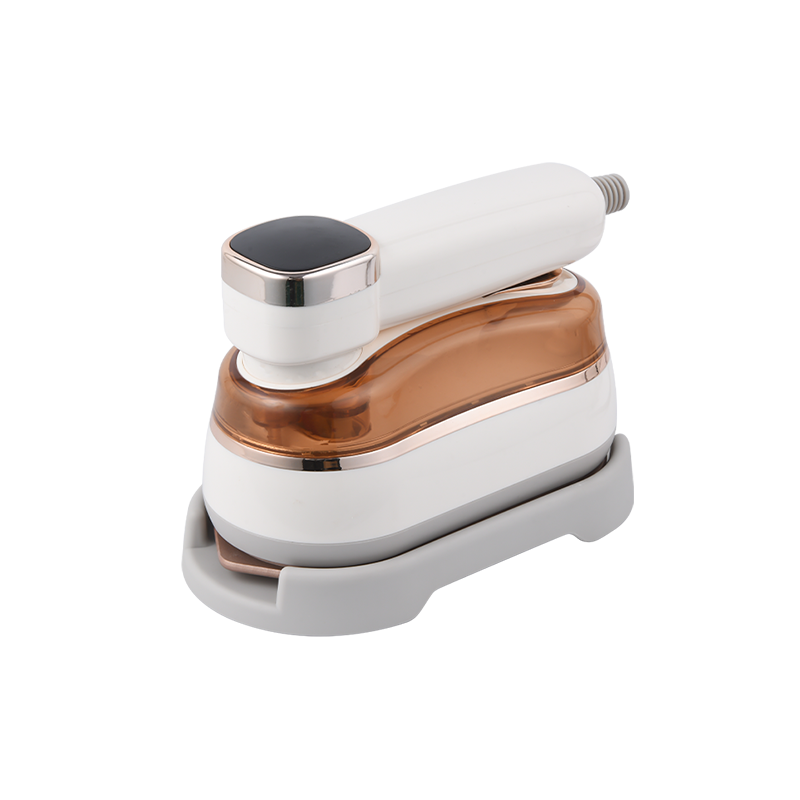
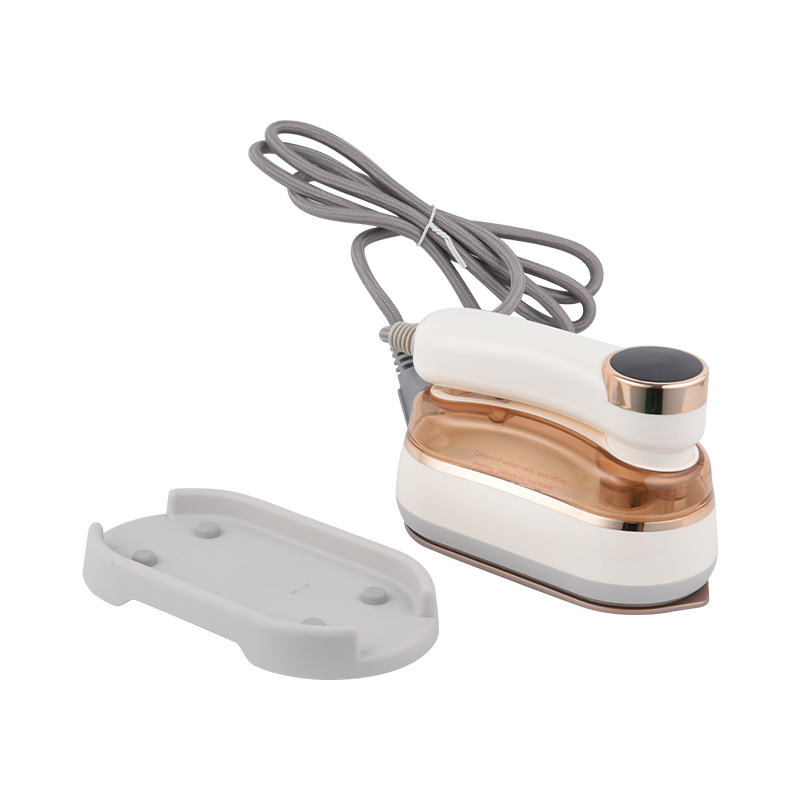 R-809 1300W Handheld Home Steam IronA 1300W home iron with a 180ml tank, rotating handle, ceramic soleplate, anti-drip and self-cleaning for everyday shirts, trousers and light knitwear.View Product →
Choosing the Right Handheld Steam Iron
The specification label tells only part of the story. A 15-second heat-up is useful in the morning, and a clear water tank matters when you are working through several garments. But the hand feel, the steam trigger, and the safety design are what make a steam iron pleasant to use again next week.
Look for control, not just power
A continuous steam output that can be directed without splashing is more valuable than a dramatic peak figure. A comfortable grip and an easy-to-fill tank also make the routine calmer on busy mornings.
Weight and water tank matter
If you mostly refresh shirts and trousers at home, a slightly larger tank can reduce refilling. If the iron lives in a travel bag, compact size and a foldable form become more important than a generous reservoir.
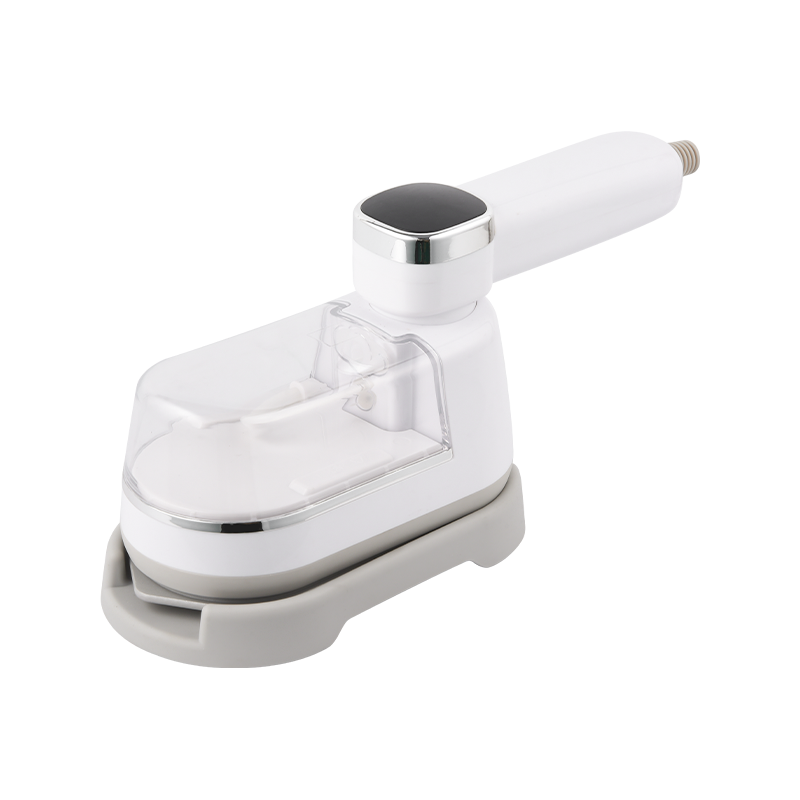
Our handheld steam iron range is built around those practical details: a clear water window, a comfortable balance in the hand, and safety features that support normal home use.
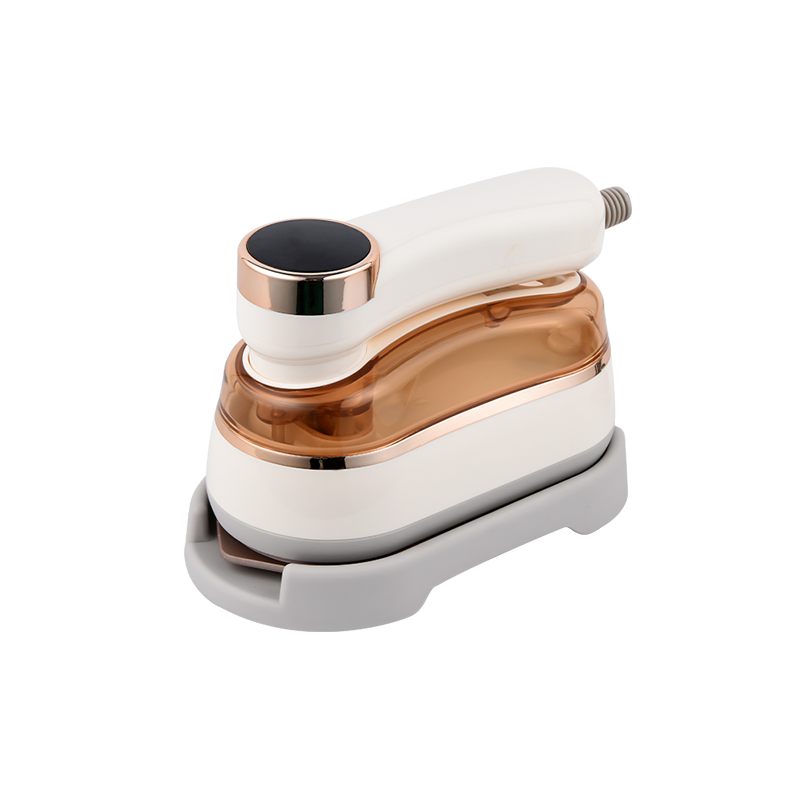 1300W Handheld Steam Iron RangeFive 1300W models with transparent tanks, quick preheat, vertical steam and anti-drip features; useful for comparing directed ironing with gentler garment steaming.View Product →
Steam Iron or Garment Steamer?
These two categories overlap, but they are not interchangeable. A handheld steam iron usually gives a more directed press of steam and a crisper finish; a garment steamer is often gentler and easier for hanging pieces.
- Choose a steam iron when shirts, trousers, and cotton dresses need a clean line and a more controlled finish.
- Choose a garment steamer when curtains, long dresses, delicate knits, or difficult-to-press pieces need a softer hand.
- Keep both in mind if your household mixes tailored clothing with delicate fabrics and shared wardrobe space.
- Look for safety features such as automatic shutoff and overheat protection, especially in homes with children or busy mornings.
For curtains, long dresses, and pieces that are difficult to press, a garment steamer is often the calmer choice. For shirts and trousers that need a fresh, directed finish, a steam iron gives more control.
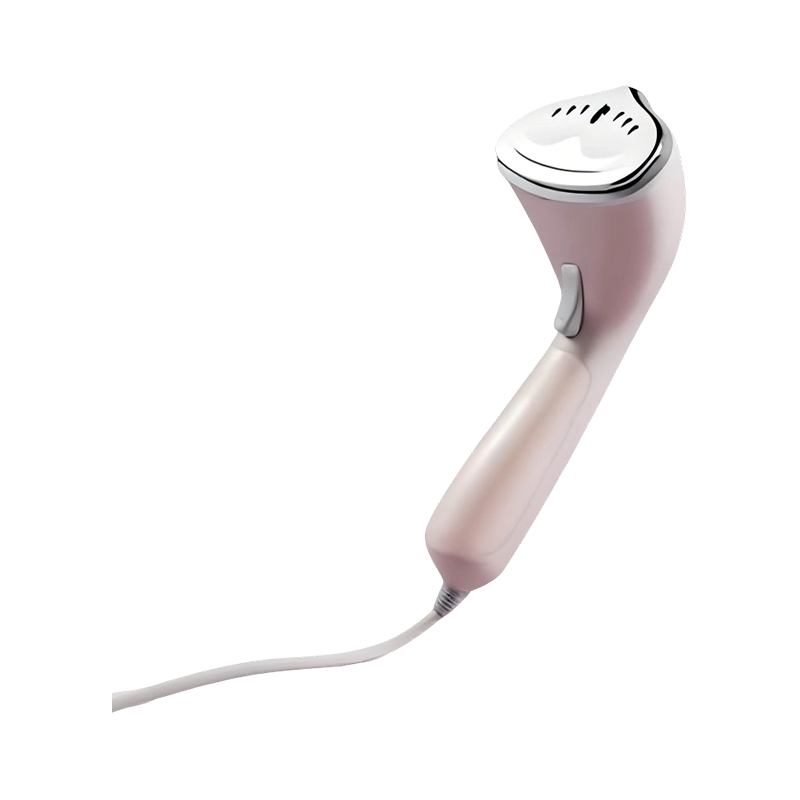 Handheld Garment Steamer Range for Home TextilesR-808 and R-815 models offer 100ml or 320ml tanks, fast preheat, vertical steam and safety protections for curtains, long dresses and daily garment refresh.View Product →
Water, Maintenance, and the Long Game
A steam iron removes wrinkles best when its steam path is clear. That is not a marketing point; it is simply what happens when scale builds up inside a small appliance. A few quiet habits keep performance steady.
Use water that suits your area
If your tap water is very hard, filtered or distilled water can reduce mineral buildup. Always check the manufacturer’s guidance for your specific model, because some appliances are designed for ordinary tap water and others are not.
Empty and rinse
Empty the tank after each use, let the appliance cool, and rinse according to the instructions. Store the iron dry and upright. Small maintenance steps are easier than a deep clean later.
If you want a short checklist for descaling and storage, our maintenance FAQ covers the questions we hear most often.
The Honest Answer for Real Closets
Does a steam iron remove wrinkles? For most everyday clothing, yes—especially when the wrinkles come from folding, packing, or a day in a chair. It is a practical, fabric-friendly way to refresh a shirt before work, settle a dress before dinner, or soften a crease that appeared in a suitcase.
It will not replace a press for a knife-sharp shirt front, and it cannot rescue every fabric from too much heat. Used with a little distance and patience, however, it often gives the more natural finish that everyday clothing actually needs.
Best result: Hang the garment freely, use steady steam, keep the head moving, and let the fabric cool before you judge the finish. That simple rhythm solves more wrinkles than a heavy hand ever will.
The most useful test is your own closet. Start with a cotton shirt you know well, adjust the distance, and notice how the fabric responds. Once you find that rhythm, the steam iron becomes less of a rescue tool and more of a calm part of getting dressed.