

 English
 русский

Hand Held Iron / Field Notes
There is a particular kind of quiet that follows a good steam iron. A shirt collar settles. A crease softens. A packed bag suddenly feels more manageable. The best hand held iron is rarely the loudest appliance in the room. It is the one you reach for because it is ready quickly, feels balanced in the hand, and does not ask for a lecture before it works.
Why a Hand Held Iron Earns Its Place
Most people come to a hand held iron for one of two reasons. Either they want a faster way to freshen clothes at home, or they need something compact enough to travel without becoming a burden. Both needs point to the same qualities: quick warmth, steady steam, sensible weight, and controls that make sense without reading a manual twice.
A handheld steam iron is not simply a smaller version of a traditional iron. Its value comes from being ready at the moment you need it. A model that heats in about 15 seconds feels very different from one that makes you wait while you reconsider your outfit. The same is true of water capacity. Too little and you refill constantly; too much and the iron becomes heavier than it needs to be.
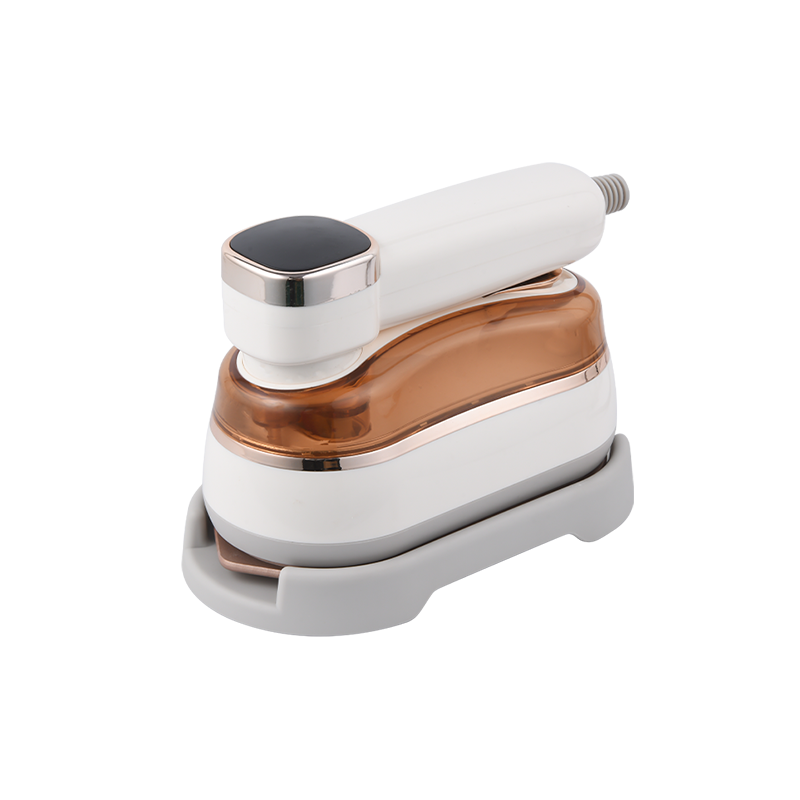
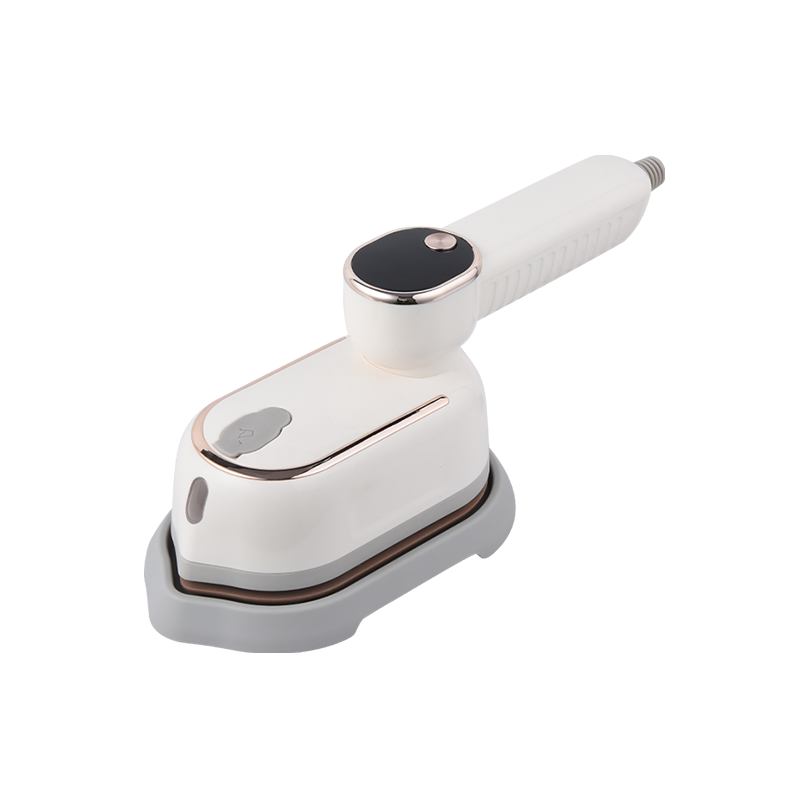
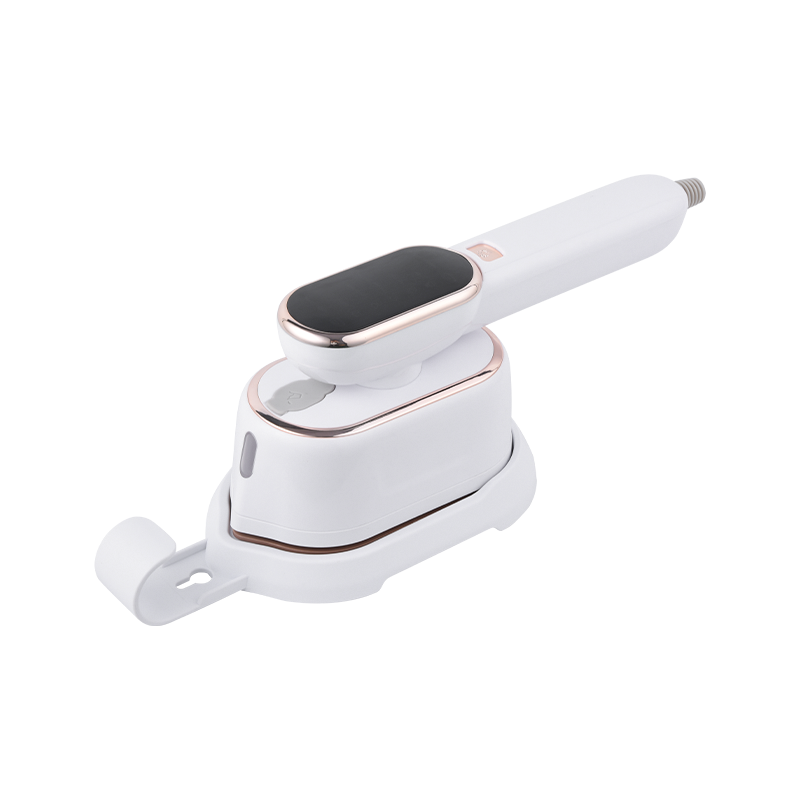
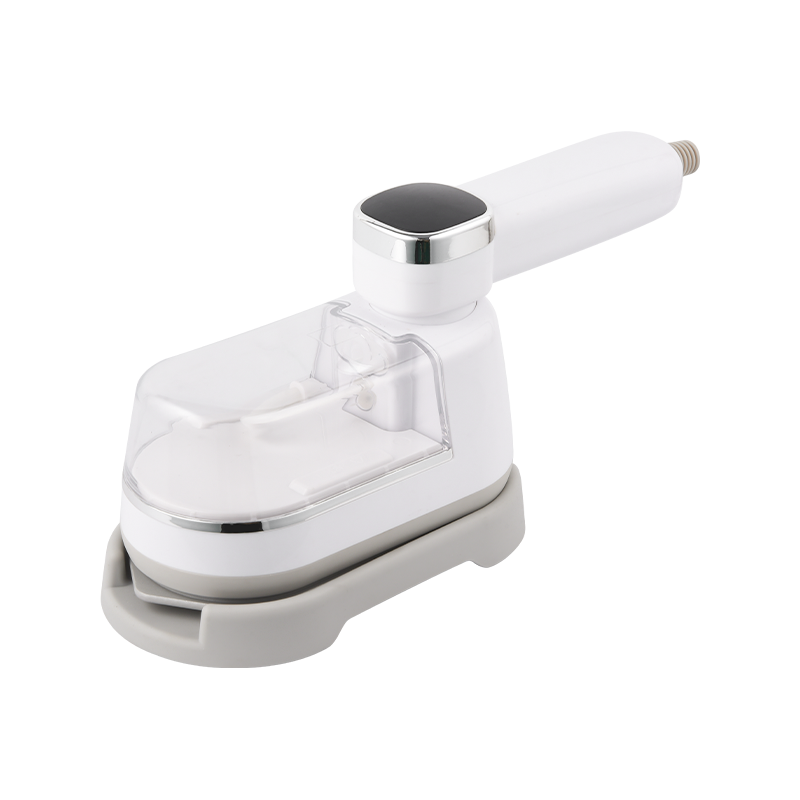
For buyers comparing styles, it helps to look at the collection as a family of tools rather than a single product. Some are built for quick touch-ups, some for longer home sessions, and some for folding into a case.
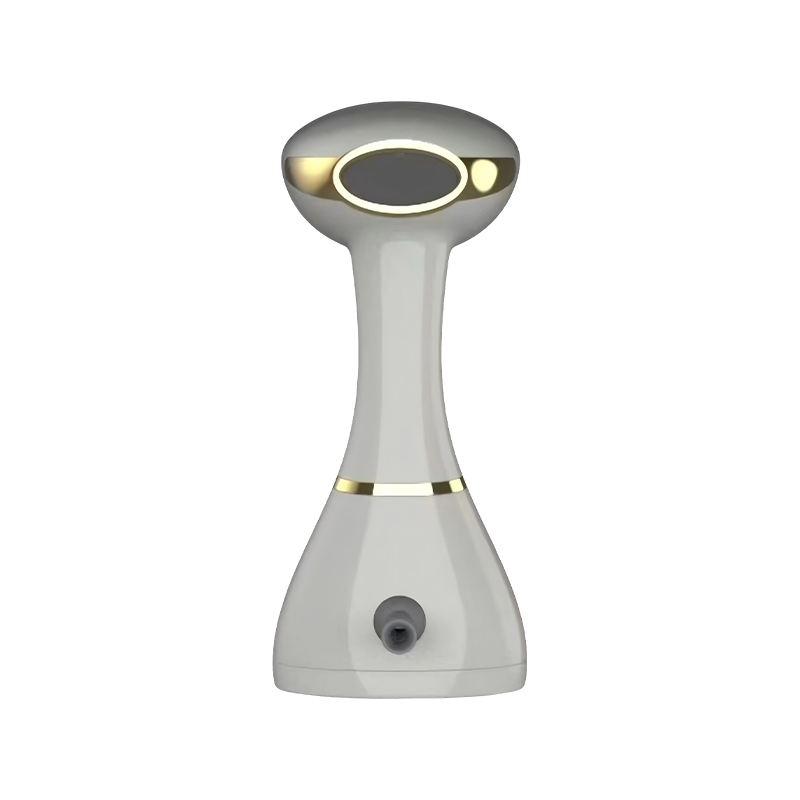
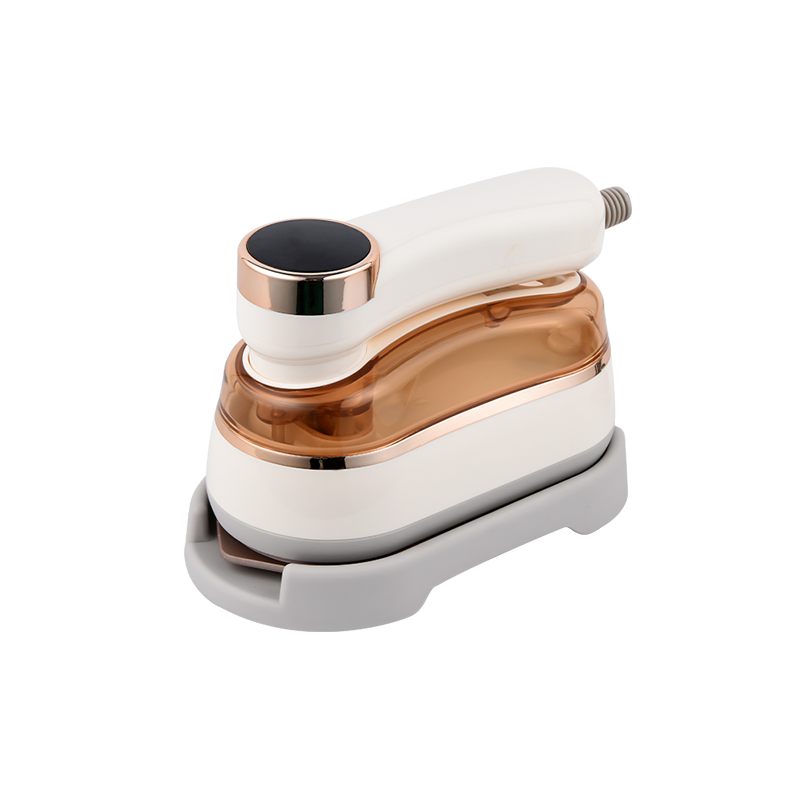 1300W Handheld Steam Iron Range for Home and TravelCompare five 1300W handheld steam iron models with varied tanks, handles and travel features to match daily home, travel or compact storage needs.View Product →
The Details That Separate a Useful Iron from a Fussy One
The specifications matter, but not in isolation. A high wattage means little if the steam path is awkward. A large tank is not helpful if the iron feels tiring after five minutes. The better approach is to read the details together, the way you would judge a good kitchen knife by balance rather than blade length alone.
Heat, steam, and control
Fast preheating is useful, but steady steam output is what actually relaxes fabric fibers. Look for a model that produces continuous steam rather than a short burst followed by a pause. If you iron while traveling, a compact shape and a simple water fill are more valuable than a long list of settings you will never use.
Safety should feel ordinary
Automatic shutoff and overheat protection are not dramatic features. They are the quiet kind of engineering that lets you put the iron down without a second thought. Anti-dry protection matters for the same reason. It protects the appliance from small lapses in attention, which are part of normal life.
Voltage and market fit
For international use, 110V and 220V options matter. Certification support for CE, RoHS, and FCC also matters when a product is headed to different markets. These details are less visible than color or shape, but they often decide whether a product is genuinely ready for a region.
| Feature | Why it matters | What to look for |
|---|---|---|
| Heat-up time | Short waits make touch-ups more likely to happen. | Around 15 seconds is convenient for daily use. |
| Steam output | Steam relaxes fibers and reduces the need for pressure. | Continuous output with a comfortable hand position. |
| Water tank | Balance between refill frequency and weight. | Enough for one or two garments without feeling heavy. |
| Safety | Reduces worry during busy mornings and travel. | Automatic shutoff, overheat protection, anti-dry design. |
| Voltage and certification | Determines whether the iron suits a target market. | 110V or 220V options and relevant market support. |
Travelers tend to notice the small things first: whether the handle folds, whether the tank leaks in a bag, whether the steam button sits under the thumb without effort. A compact travel steam iron with anti-dry and anti-scaling design is often a more practical companion than a larger model with extra features.
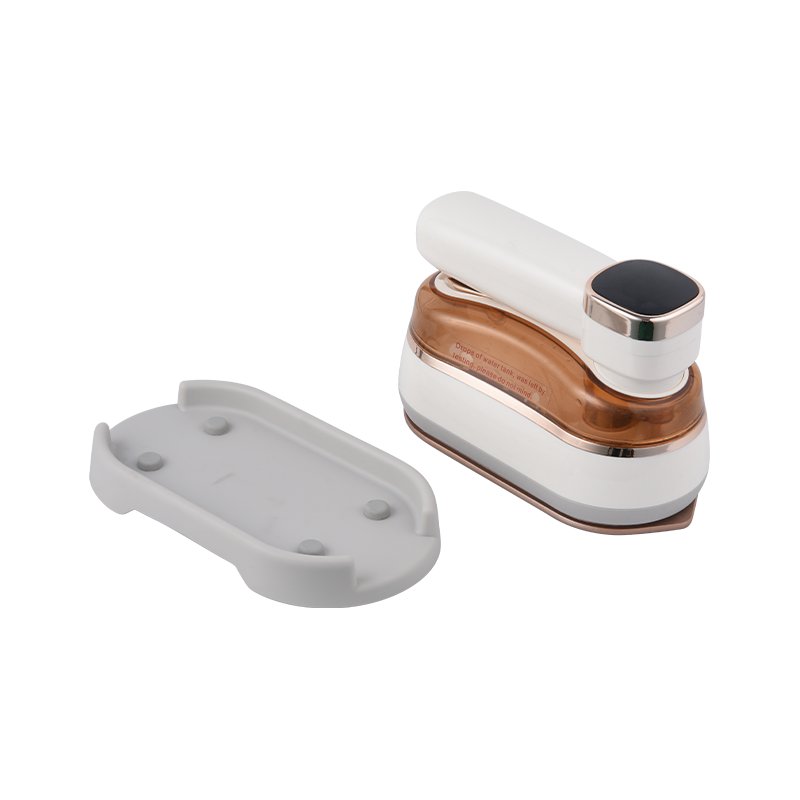 R-811 1300W Anti-Dry Travel Steam IronA compact 0.8 kg travel iron with 180 ml tank, rotating handle and anti-scaling care for shirts, trips and quick vertical steaming.View Product →
Home, Travel, and the Space Between
For the home wardrobe
A home hand held iron should feel calm rather than frantic. It needs enough steam for a shirt or a light jacket, a comfortable grip, and a water tank that does not demand constant attention. A 1300W model is often a sensible middle ground: warm enough for daily fabric care, but still easy to lift and store.
For the carry-on
Travel changes the priority list. Size, weight, and a secure water tank move to the top. A mini portable iron or a foldable design can fit into a case without turning packing into a puzzle. The best travel iron is not the smallest one on paper. It is the one that still feels usable when you are tired in a hotel room and want to look presentable in ten minutes.
For hanging garments and delicate fabrics
Some garments respond better to steam in the air than to a flat surface. A handheld garment steamer can be a gentle option for curtains, blazers, dresses, and fabrics that prefer movement to pressure. It is a different tool from a steam iron, but it belongs to the same daily ritual of making clothes feel cared for.
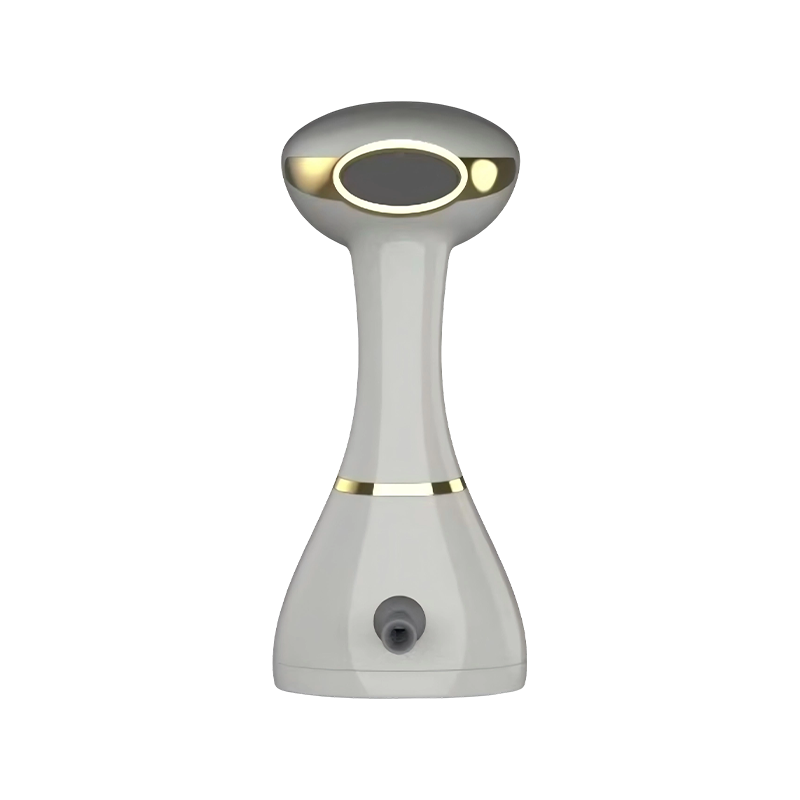 R-815 1600W Handheld Garment Steamer with Dual-Boost SteamA 320 ml handheld steamer with dual-boost steam and anti-calcification care for curtains, blazers and fabrics that prefer gentle vertical refreshing.View Product →
A Note on Water, Care, and the Long View
Handheld steam appliances are simple, but they are not maintenance-free. Water quality affects performance over time. In areas with hard water, scale can build up in the steam channel and reduce output. Anti-scaling design helps, but regular care still matters. Empty the tank after use, allow the unit to cool before storage, and follow the manufacturer's descaling guidance rather than waiting for steam performance to fade.
- Use the water type recommended for the model, and avoid adding perfumes or cleaning agents unless the manual allows it.
- Empty the tank after each use to reduce residue and keep the water path fresh.
- Store the iron upright once it has cooled, with the cord loosely gathered rather than tightly wrapped.
- Wipe the exterior with a soft, damp cloth and avoid abrasive cleaners on the housing.
What OEM Partners Usually Ask
When buyers approach a manufacturer, the conversation rarely begins with color. It begins with use case, voltage, certification, and the details that make a product feel local to its market. A hand held iron for one region may need a different plug, a different voltage, and a different packaging story for another. That is why customization works best when it starts with the end user rather than the factory floor.
At our factory in Yuyao, the work is organized around those practical questions. Logo, packaging, and user manual design can be adapted. Steam output, tank capacity, heating element specifications, color, shape, and handle design can be discussed as part of the product definition. Certification support for CE, RoHS, and FCC is handled according to the target market rather than assumed. If you would like to see how the assembly and testing side is organized, you can take a look at the factory and testing floor.
How to Choose Without Overthinking It
It is easy to disappear into specification lists. A simpler path is to decide how the iron will actually be used, then let the details follow.
- Choose the setting first: daily home use, frequent travel, or a mix of both.
- Check heat-up time and steam output, since these shape the everyday experience more than a long feature list.
- Confirm safety features such as automatic shutoff, overheat protection, and anti-dry design.
- Match voltage and certification to the market where the product will be sold or used.
- Think about storage: folding handles, cord length, and tank position matter in small spaces.
A good hand held iron does not make a performance of convenience. It simply removes the friction between deciding to look neat and actually looking neat.
Questions We Hear Most
Is a hand held iron as effective as a full-size iron?
For touch-ups, travel, and light garment care, yes. For large bedding, heavy linen, and long pressing sessions, a traditional iron still has the advantage of surface area and weight.
Do I need a steamer and an iron?
Not always, but they solve different problems. A steamer refreshes hanging garments gently. A hand held steam iron gives more control where you want a crisp edge or a pressed collar.
What is the most useful feature for travel?
A secure water tank and a compact shape are usually more valuable than extra settings. Fast preheating is also a real convenience when you are short on time.
How do I know which model suits my market?
Start with voltage, certification, and the way people actually iron in that region. If you need a quick reference, our FAQ covers common questions about products, customization, and certification support.
The Quiet Test
The right hand held iron will not demand attention. It will heat quickly, sit comfortably in your hand, release steam evenly, and protect itself when life gets distracted. It will make a packed bag feel lighter and a morning routine feel shorter. That is a modest kind of luxury, but it is the kind people notice every week.
Whether you are choosing a model for your own wardrobe or defining a product for a new market, the test is the same: does it make the next five minutes easier? If the answer is yes, the specification sheet has done its job.