

 English
 русский

Yuyao Liyan
Yuyao Liyan
Yuyao Liyan
Yuyao Liyan
Yuyao Liyan
Yuyao Liyan
Yuyao Liyan
Yuyao Liyan
Yuyao Liyan
Shirt care, without the stiff formality
Can You Steam Iron Shirts? Yes, and It Can Look Beautifully Intentional
A calm, practical guide to steam on shirts: when it softens, when it needs pressure, and how to keep collars, cuffs and delicate fabrics looking considered.
Can you steam iron shirts? The honest answer is yes, with a little thought about fabric and finish. Steam relaxes fibers. It does not automatically press a collar into a clean line. A handheld steamer is lovely for a relaxed linen shirt or a delicate blouse; a steam iron earns its place when a cotton shirt needs a crisp edge. The useful skill is not choosing one method forever. It is knowing which shirt in front of you wants air, and which one wants a light press.
The best shirt care is not aggressive. It is warm, brief and observant: enough steam to relax the cloth, enough pressure to give it shape, then enough patience to let it settle.
The Short Answer: Yes, With a Small Caveat
Yes, you can steam iron shirts. A steam iron combines heat, moisture and a soleplate; a handheld steamer releases moisture without pressure. Neither tool is wrong. The caveat is that a shirt is not one uniform surface. A soft knit wants movement and air. A crisp poplin front, collar and cuff want a short, controlled press.
If you own only one tool, a steam iron is usually more versatile for shirts. If you already use a handheld steamer, you can still finish collars and cuffs with a light press on a heatproof surface. In practice, steam first and press second is the most forgiving order.
| Tool | Best for | What it does well | Keep in mind |
|---|---|---|---|
| Handheld garment steamer | Blouses, knits, relaxed linen, travel refresh | Relaxes fibers while the shirt hangs | Too much steam can dampen and stretch delicate seams |
| Steam iron with soleplate | Cotton poplin, oxford shirts, crisp cuffs and collars | Combines steam with gentle pressure for shape | Keep the soleplate moving and test the temperature |
| Steamer plus light press | Quick home routine for cotton blends | Fast, forgiving and easy on fabric surface | Press collars and plackets after steaming |
| Traditional dry iron with water spray | Simple cotton when no steamer is available | Familiar crisp finish | Easy to scorch; use a light hand |
What Steam Actually Does to a Shirt
Steam is moisture carried by gentle heat. It encourages fibers to relax and return toward their natural shape, which is why a steamer can smooth a shirt without flattening the weave. That gentleness helps delicate fabrics. It also explains the limitation: a tailored collar that has dried with a soft curve may need a brief press to look sharp again.
Fabric matters more than the label on the appliance. Use this as a starting point, then check the care label:
- Cotton and cotton blends: steam well; press collars and plackets lightly for a clean finish.
- Linen: responds beautifully to steam, but the natural texture will remain; that is part of its character.
- Wool: use low, brief steam and avoid heavy pressure, especially on structured shoulders.
- Silk and viscose: treat with care; test first and keep the steamer moving so water does not spot the surface.
- Polyester: warm steam can help, but too much direct heat may create shine.
Info: Test any new method on the inside hem first, especially on silk, viscose and dark dyes. Let the fabric dry completely before judging the result.
Choosing the Right Tool for the Shirt in Front of You
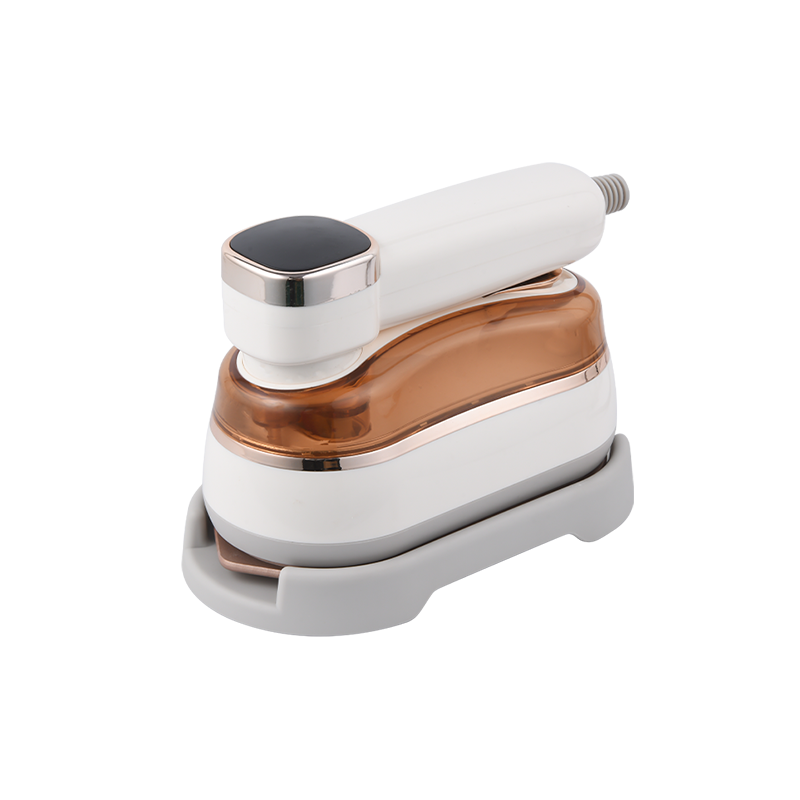
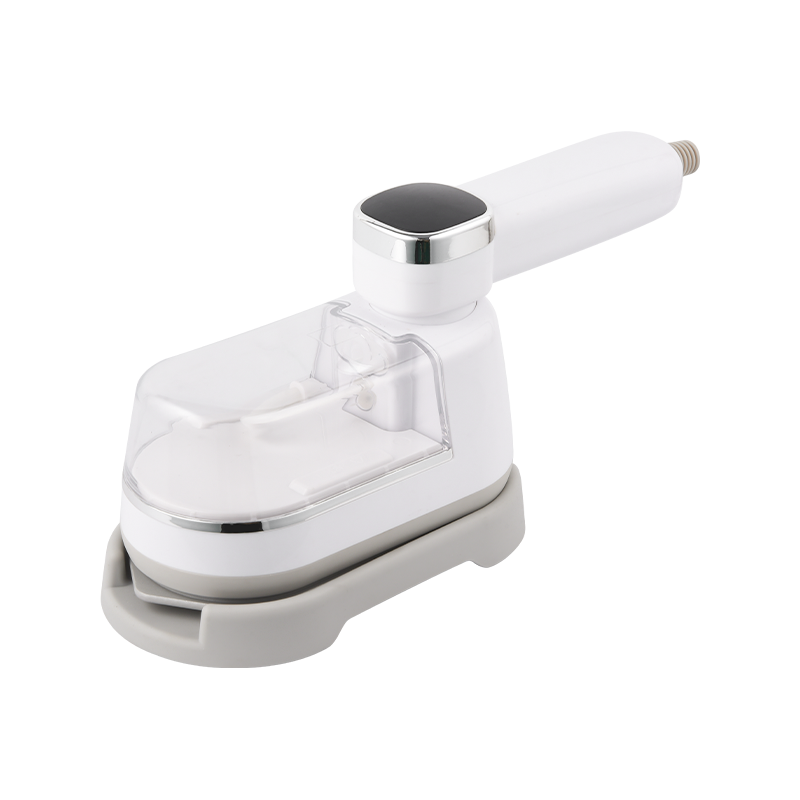
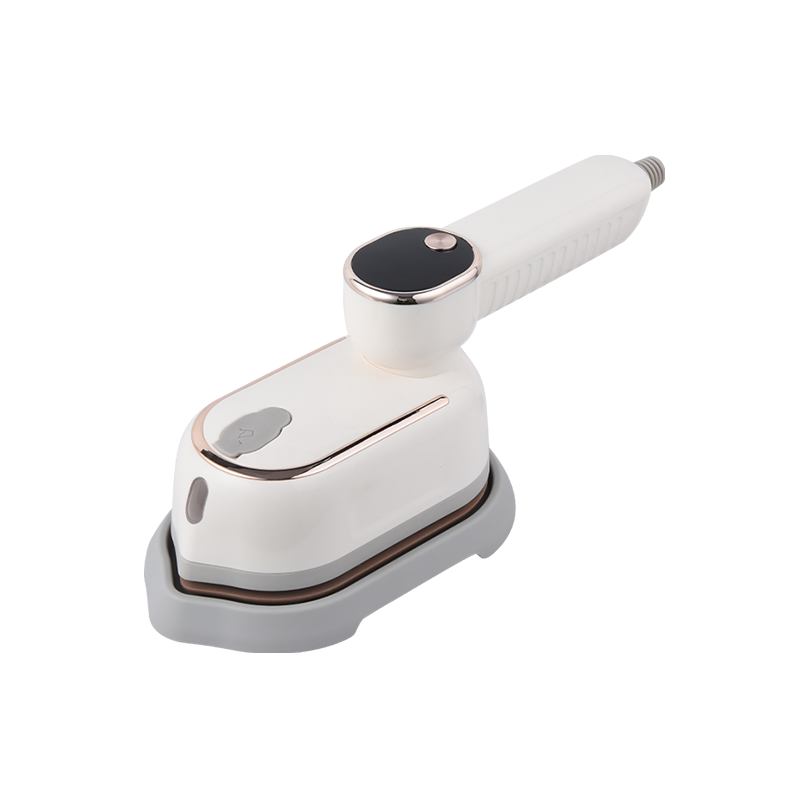
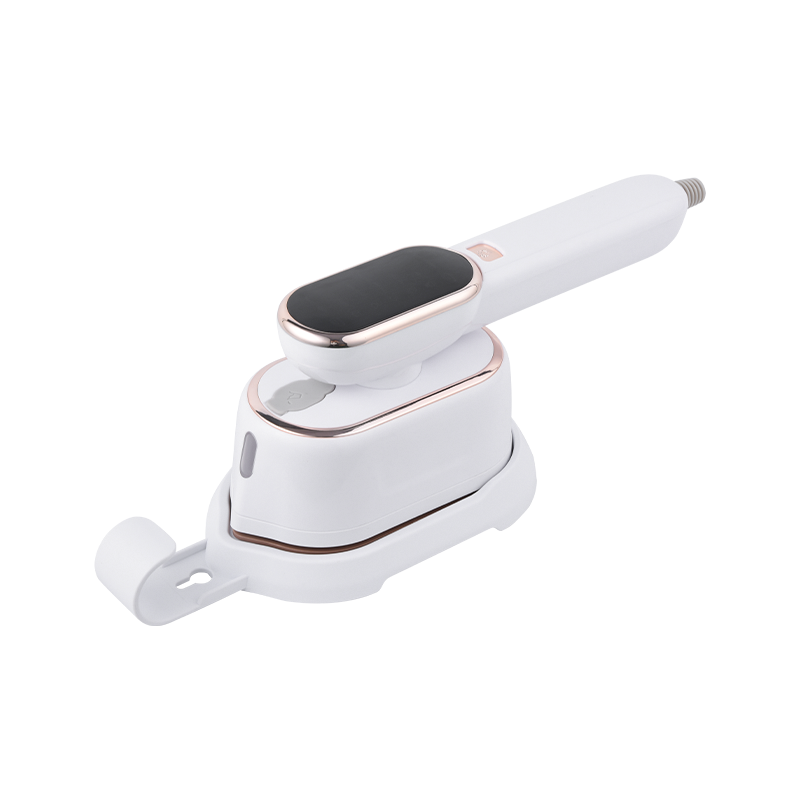
Start with the shirt, not the appliance. Loose linen and formal cotton do not ask for the same hand. For most homes, a handheld steam iron is the useful middle ground: it can work vertically for a quick refresh and horizontally when a collar needs definition. Our own range follows that practical split, with compact steamers for travel and full-featured irons for home routines.
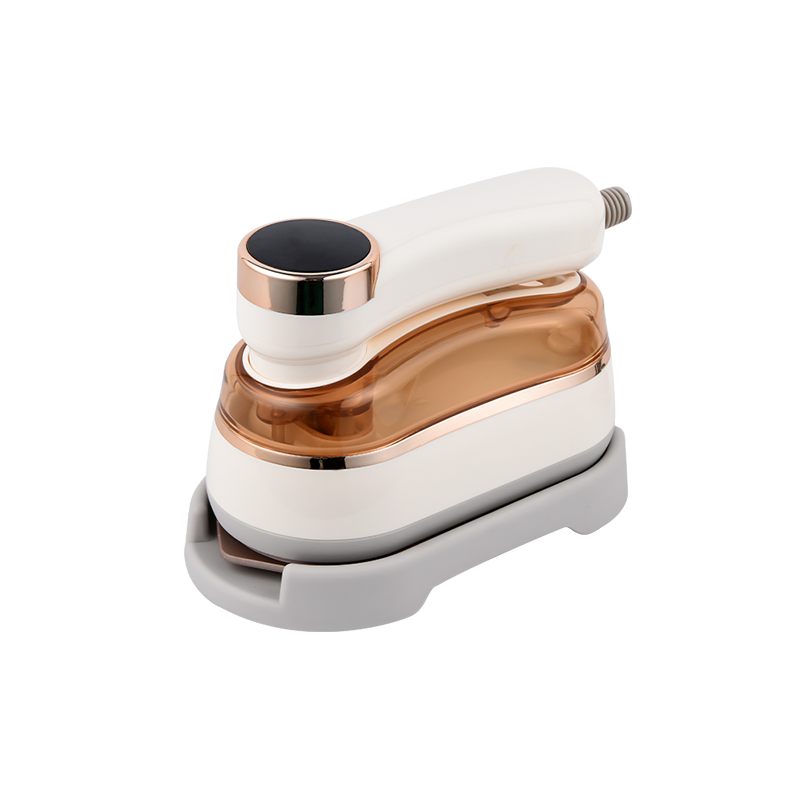 Handheld Steam Iron Range for Everyday Shirt CareThis range includes compact steamers for travel and full-featured irons for home routines, offering a practical middle ground for quick vertical refreshes and flat pressing.View Product →
Use vertical steaming for blouses, knitwear and softly constructed shirts, keeping the shirt on a hanger and the steamer a short distance away. Reach for a steam iron when the shirt has a woven structure, a crisp collar or a placket that should lie flat. A steamer can refresh the body; a light press can give the edges intention.
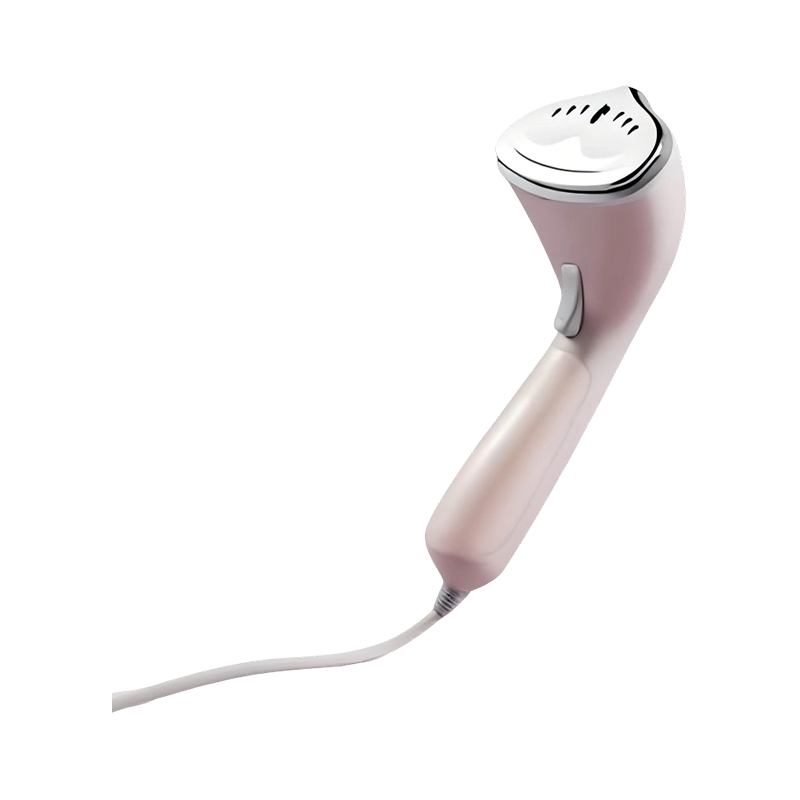 Handheld Garment Steamers for Quick Vertical RefreshesThese steamers suit hanging garments and soft fabrics, with models offering fast preheat and portable designs for a short, usable routine.View Product →
Warning: If a care label says do not iron, do not assume steam is automatically exempt. Heat and moisture can still affect some finishes, prints and unstable fibers.
A Simple Shirt-Steaming Routine
This is the routine I would teach a friend. It is deliberately short, because a routine you actually use beats a perfect one you avoid.
- Prepare the water. Fill the reservoir and let the tool heat. If your tap water is hard, distilled or filtered water will help keep the steam path clean.
- Hang the shirt properly. Button the top button, hang it on a broad hanger and let the sleeves fall naturally. A wire hanger can leave shoulder marks that steam will not remove.
- Start inside the shirt. Steam the inside of the collar, cuffs and placket first. This softens the layers where shirts usually crease most stubbornly.
- Use gentle tension. Hold the shirt by the hem or side seam with your free hand. Do not pull hard. Move the steamer in slow, even passes a few centimeters away from the fabric.
- Let it settle. Give the shirt thirty to sixty seconds to relax and dry. Smooth it with a clean hand, then press a collar or placket with a warm steam iron if you want a sharper line.
If your mornings are tight, a fast-preheating model removes the waiting that makes people skip the routine.
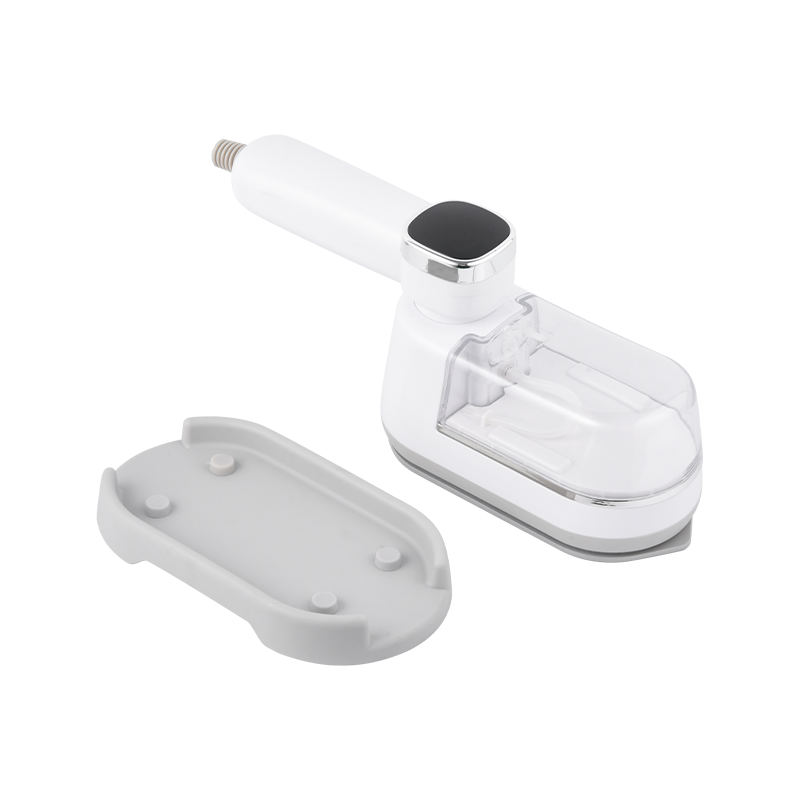 R-810 Touch Screen Fast-Preheating Steam IronA 1300W handheld iron with 20-second preheat and a detachable 160ml tank, suited to tight morning routines and vertical steaming of hanging garments.View Product →
Success: Stop when the wrinkles relax. Stop before the fabric feels wet. A shirt should feel refreshed, not laundered.
Finishing Details and Common Mistakes
Most poor results come from too much of a good thing: too much steam, too much pressure or too little patience.
- Over-wetting the shirt. Heavy steam can leave water marks and soften seams unevenly.
- Pressing a damp shirt hard. Let steam do the relaxing; pressure is for dry or nearly dry fabric.
- Ignoring the care label. A label is a useful warning, not a nuisance.
- Using tap water in hard-water areas. Mineral buildup can shorten the life of a steamer and create spitting.
- Steaming a stained shirt. Heat can set some stains before you have had a chance to treat them.
Danger: Never steam a shirt while wearing it. Steam and hot parts can burn skin, and the shirt can stretch out of shape as you move.
For a crisp collar, steam until relaxed, then press with a warm steam iron once the shirt is no longer damp. For a soft blouse, steam alone may be enough. The shirt should look cared for, not flattened into submission.
From Our Workshop: What Handheld Steam Experience Teaches Us
On our factory floor in Yuyao, handheld steam irons are tested as tools for real homes, not as showroom objects. We look for consistent heat, sensible water flow, safe shut-off behavior and handles that stay comfortable during a vertical pass. Those details matter more than a dramatic cloud of steam.
Shirt care also shaped how we think about product ranges. Compact models suit travel and small spaces; larger water tanks suit a week of shirts; fast preheat helps the morning routine. For wholesale and private-label partners, we support 110V and 220V options and can discuss certification needs for the target market. If you are planning a range, talk to our team about the choices that matter for your market.
A Calmer Way to a Crisp Shirt
So, can you steam iron shirts? Yes. Use steam to relax the fibers, use a light press to define collars and plackets, and give the fabric a minute to settle. Choose the gentler method for delicate cloth and the more controlled one for structured cotton. The result is not a stiff, overworked shirt. It is a shirt that looks cared for, with enough ease left in the fabric to feel like your own.